
Flemings and Walloons: Understanding Life Together in Belgium
Why is the relationship between Flemings and Walloons tense? An overview of linguistic, historical and political differences in Belgium

From the outside, Belgium often appears small, charming and easy to grasp. But anyone who looks more closely at the country quickly notices how strongly internal tensions shape everyday life and politics. This becomes especially clear in the relationship between Flemings and Walloons. It influences language, media, political debates and how many people see themselves. So why is living together in a comparatively small country so often complicated?
A country with two major language regions
Belgium is not a single cultural area. In the north lies Flanders, where Dutch is predominantly spoken. In the south is Wallonia, which is shaped by the French language. Added to this is the bilingual Brussels-Capital Region, which plays a special role in this structure.
In Belgium, language is far more than a means of communication. It stands for identity, belonging and political interests. This is one core of the conflict. When language also means drawing boundaries, separate media landscapes, distinct political debates and different perspectives quickly emerge. Many people mainly follow news from their own language community. As a result, even nationwide issues are often perceived very differently.
Where the tensions come from
Tensions between Flemings and Walloons go back a long way. For a long period, French was considered the language of influence, education and administration. Many Dutch-speaking Belgians felt disadvantaged as a result.
Later, the economic balance shifted. Wallonia used to be industrially strong, while Flanders became more dynamic economically over time. This change also altered the self-confidence of the regions and their political demands.
This development is still felt today. It is not only about language, but also about power, money and political influence. When regions differ in economic strength and set their own priorities, the potential for conflict almost inevitably grows.
Politics reflects the division
Belgium is a federal state and highly decentralised. This is no coincidence, but a reaction to internal tensions. Over time, many powers were transferred to regions and communities. This was meant to ease conflicts, but it also made the political system significantly more complex.
There are also hardly any national parties that represent both major language groups equally. Politics therefore often follows linguistic and regional lines. Compromises are possible, but they are usually laborious. This is one reason why forming a government in Belgium can repeatedly take a very long time.
What divides Belgium and what holds it together
The differences are real, but they do not explain everything. In everyday life, many Belgians deal pragmatically with the diversity of their country. Many things work better than political debates might suggest. Shared institutions, economic interdependence and not least Brussels as both Belgian and European hub hold the country together.
Culturally, too, Belgium is more than just a contrast between north and south. There are regional particularities, but also shared experiences, traditions and a often sober view of political conflicts. This mix of local identity, distance and willingness to compromise is a key part of what makes the country distinctive.
Why the topic is interesting for travellers
Those who want to understand Belgium better see its cities, regions and people in a different light. The differences between Flanders and Wallonia show up in language, in atmosphere and partly in everyday culture. For travellers, this is less of an obstacle and more of an invitation to discover the country more consciously.
Belgium is not interesting in spite of its diversity, but because of it. The tension between Flemings and Walloons explains a lot, but not everything. Anyone who looks more closely discovers a country that has learned to live with contrasts, even if this does not always work smoothly.
More articles
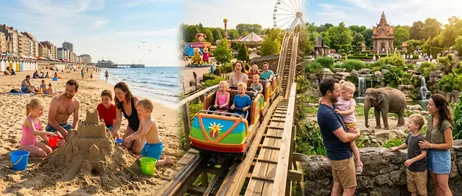
Discover Family-Friendly Activities in Belgium
Belgium delights families with child-friendly beaches, theme parks and varied day trips full of fun and adventure.
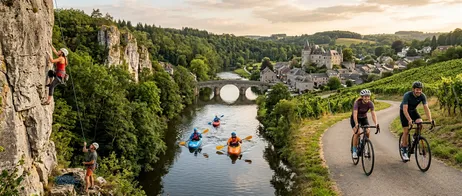
Adventure Holidays in Belgium: Kayaking, Climbing and Cycling
Belgium inspires with kayaking tours, cycling, climbing and close-to-nature outdoor adventures in the impressive Ardennes.
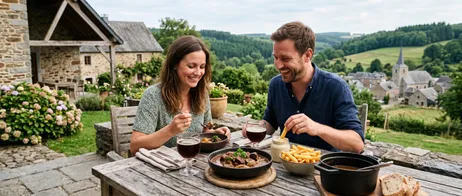
Stoofvlees: Belgian Beef Stew with Fries
Stoofvlees is a classic of Belgian cuisine. Find out what makes this braised beef stew with fries so special and why it is part of everyday life in Belgium.
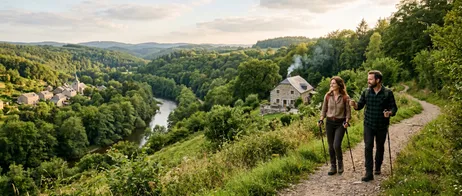
Experience the Wild Beauty of the Ardennes
The Ardennes in Belgium stand for forests, rivers and quiet villages. The region is ideal for nature breaks, hikes and bike tours for a relaxing day outdoors.
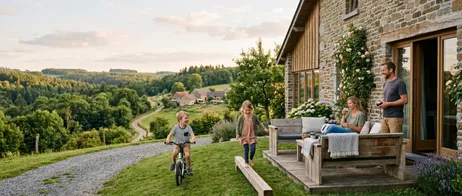
Belgium with Kids: Experiences for All Ages
Belgium is a versatile destination for families. Discover trips that combine nature, museums and relaxed activities with children.
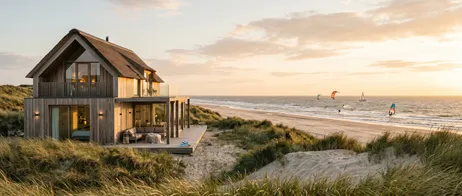
Water sports in Belgium: the most beautiful hotspots on the water
From the North Sea coast to lakes and rivers: Belgium offers diverse water sports hotspots for surfing, sailing, diving and relaxed active days by the water.
