
A Brief History of Belgium: Development at a Glance
A compact overview of Belgium’s history: from early settlements and shifting rulers to the emergence of the modern state

Belgium as a state is still relatively young. Its history, however, reaches far back. For many centuries, political, cultural and economic developments overlapped in the territory of today’s country. It is precisely this multi-layered past that makes Belgium so fascinating even today.
Anyone travelling through Belgium encounters its history at every turn. Old trading cities, fortresses, churches, town halls and clear regional contrasts show how strongly the country has been shaped by changing influences.
Early traces and a special location
The area of present-day Belgium was settled long before the modern state emerged. Its position between what is now France, the Netherlands and Germany made it an important part of Europe at an early stage. Trade routes, cultures and political interests crossed here.
Over the centuries, rulers changed again and again. This affected not only borders and political structures, but also language, architecture and everyday culture. To this day, Belgium is therefore marked by striking diversity.
Between Europe’s powers
The history of present-day Belgium is closely linked to developments in Western Europe. For a long time, the different parts of the country did not belong to an independent state but to larger realms. For the population, this meant repeated change and the need to adapt to new political conditions.
The central location in particular often turned the region into a stage for European conflicts. At the same time, it created economic opportunities. Cities grew, trade flourished and regional centres gained importance.
How modern Belgium emerged
Belgium as we know it today only came into being in the 19th century. Compared with the long history on its soil, the state is therefore still young. Its founding was a major political turning point, yet older regional identities remained influential.
This is still visible in the country’s different linguistic and cultural areas. This diversity is no coincidence but the result of a long historical evolution. It forms a key part of Belgium’s character.
Why history is so present in Belgium
Belgium can be described as a land of many layers. Every era has left visible traces. Medieval town centres stand alongside later buildings, regional traditions alongside modern influences. This is what makes many places so attractive for travellers, because history here is not abstract but can be experienced in cityscapes and landscapes.
- historic towns with organically grown centres
- regional differences in language and culture
- numerous testimonies to political and economic development
- a visible coexistence of tradition and the present
Young state, deep past
Anyone who wants to understand Belgium should therefore distinguish between two levels. As a modern state, the country is young. As a historical space, it is old and complex. This interplay explains why Belgium has developed such a rich cultural density within a relatively small area.
For holidaymakers and culturally interested travellers, this means above all one thing: Belgium is not only a place to relax but also a country to explore. Those who look more closely will quickly see how closely the present and the past are connected here.
More articles
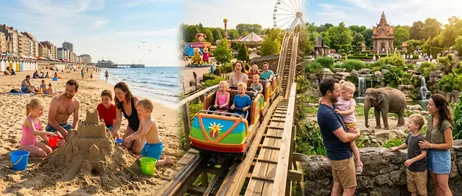
Discover Family-Friendly Activities in Belgium
Belgium delights families with child-friendly beaches, theme parks and varied day trips full of fun and adventure.
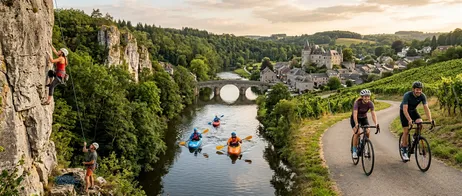
Adventure Holidays in Belgium: Kayaking, Climbing and Cycling
Belgium inspires with kayaking tours, cycling, climbing and close-to-nature outdoor adventures in the impressive Ardennes.
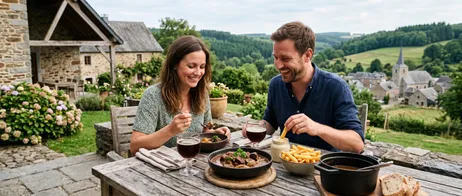
Stoofvlees: Belgian Beef Stew with Fries
Stoofvlees is a classic of Belgian cuisine. Find out what makes this braised beef stew with fries so special and why it is part of everyday life in Belgium.
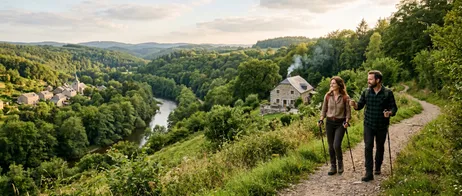
Experience the Wild Beauty of the Ardennes
The Ardennes in Belgium stand for forests, rivers and quiet villages. The region is ideal for nature breaks, hikes and bike tours for a relaxing day outdoors.
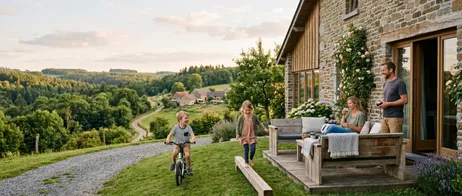
Belgium with Kids: Experiences for All Ages
Belgium is a versatile destination for families. Discover trips that combine nature, museums and relaxed activities with children.
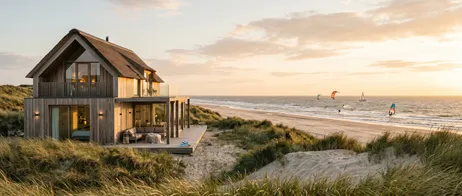
Water sports in Belgium: the most beautiful hotspots on the water
From the North Sea coast to lakes and rivers: Belgium offers diverse water sports hotspots for surfing, sailing, diving and relaxed active days by the water.
