
The Flag of Belgium: History, Colors and Meaning
What do the colors of the Belgian flag mean? This article explains the origins, symbolism and history of this important national symbol in Belgium.

If you travel through Belgium, you will see it almost everywhere: on town halls, in public squares, in residential areas and on historic buildings. At first glance, the Belgian flag looks simple. Yet this clarity is exactly what gives it strength. The three colors reflect a part of history that still shapes the country today.
Three colors, a clear message
The flag of Belgium consists of three vertical stripes in black, yellow and red. This color combination is closely linked to the national identity. It is striking, easy to recognize and clearly stands out from many other European flags.
Historically, the colors go back to the Duchy of Brabant. Its coat of arms showed a golden lion on a black background with red claws and tongue. This heraldic reference gave rise to the color scheme that is now known as the Belgian national symbol.
Emerging in a time of upheaval
The history of the Belgian flag is closely tied to the formation of the modern Belgian state. In the 19th century it gained importance as Belgium reshaped its political structure. In a period of change, the country needed visible signs of unity. The flag took on exactly this role.
It stood for independence and a new sense of national identity. It was not only about state representation, but also about the feeling of belonging to a shared nation. In a country with several language and cultural regions, this symbolic power remains highly significant today.
Why the Belgian flag is so present in everyday life
For travelers, the flag is often more than decoration. It can help make a country easier to understand. Someone sitting on the terrace of a holiday home who notices the Belgian flag in the neighbor’s garden experiences a small but typical detail of everyday life. Exactly such impressions make a destination tangible.
In Belgium, the flag stands not only for political affiliation but also for a connection to the country’s own history. It is especially visible at official ceremonies, days of remembrance and sporting events. At those times, it becomes clear how strongly a symbol can bring together shared emotions.
Between tradition and the present
Belgium is a country with many facets. Different regions, languages and cultural influences shape its character. Shared signs that bridge these differences are therefore all the more important. The flag is one of these symbols.
Its impact lies in its simplicity. It needs no complicated explanation to be recognized. At the same time, it carries historical depth. This combination makes it a symbol that preserves tradition while being firmly rooted in everyday life.
What travelers can take away from it
Anyone who wants not only to visit Belgium, but also to understand it better, should pay attention to such details. The flag is a good starting point for exploring history, identity and regional self-perception. Cultural understanding often begins not in a museum, but in the middle of daily life: on a market square, on a house facade or in the neighbor’s garden.
In this way, a brief glance at black, yellow and red quickly becomes more than a passing impression. The Belgian flag tells a story of origins, change and cohesion, and thus of themes that continue to shape Belgium today.
More articles

Discover Family-Friendly Activities in Belgium
Belgium delights families with child-friendly beaches, theme parks and varied day trips full of fun and adventure.

Adventure Holidays in Belgium: Kayaking, Climbing and Cycling
Belgium inspires with kayaking tours, cycling, climbing and close-to-nature outdoor adventures in the impressive Ardennes.
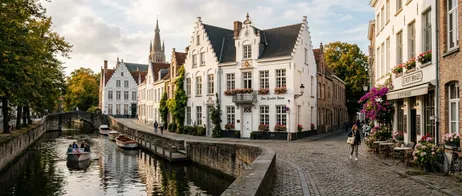
Discover Architecture and Design in Belgium with Style
Belgium blends historic streets, Flemish architecture, white houses and modern design into a coherent urban landscape with a distinctive charm.

Belgium’s Most Beautiful Beaches: Relaxation on the North Sea Coast
Belgium’s North Sea coast surprises with wide sandy beaches, fresh sea air and short distances. An overview for everyone looking for relaxation by the sea.
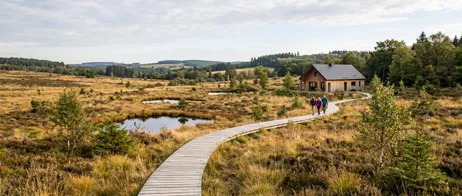
High Fens: Discover Belgium’s Upland Bog Landscape
The High Fens are one of Belgium’s most impressive natural landscapes. Find out what makes this upland bog so special and what visitors should keep in mind when planning a trip.
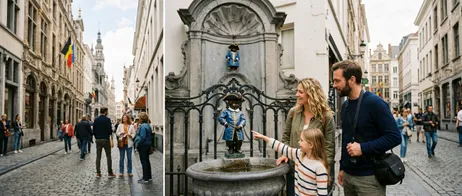
Not Always Naked: The Manneken Pis in Brussels
Manneken Pis is more than a small fountain statue in Brussels. Find out why it has cult status and is so often seen dressed in special costumes.
